
 Image 1 of 14
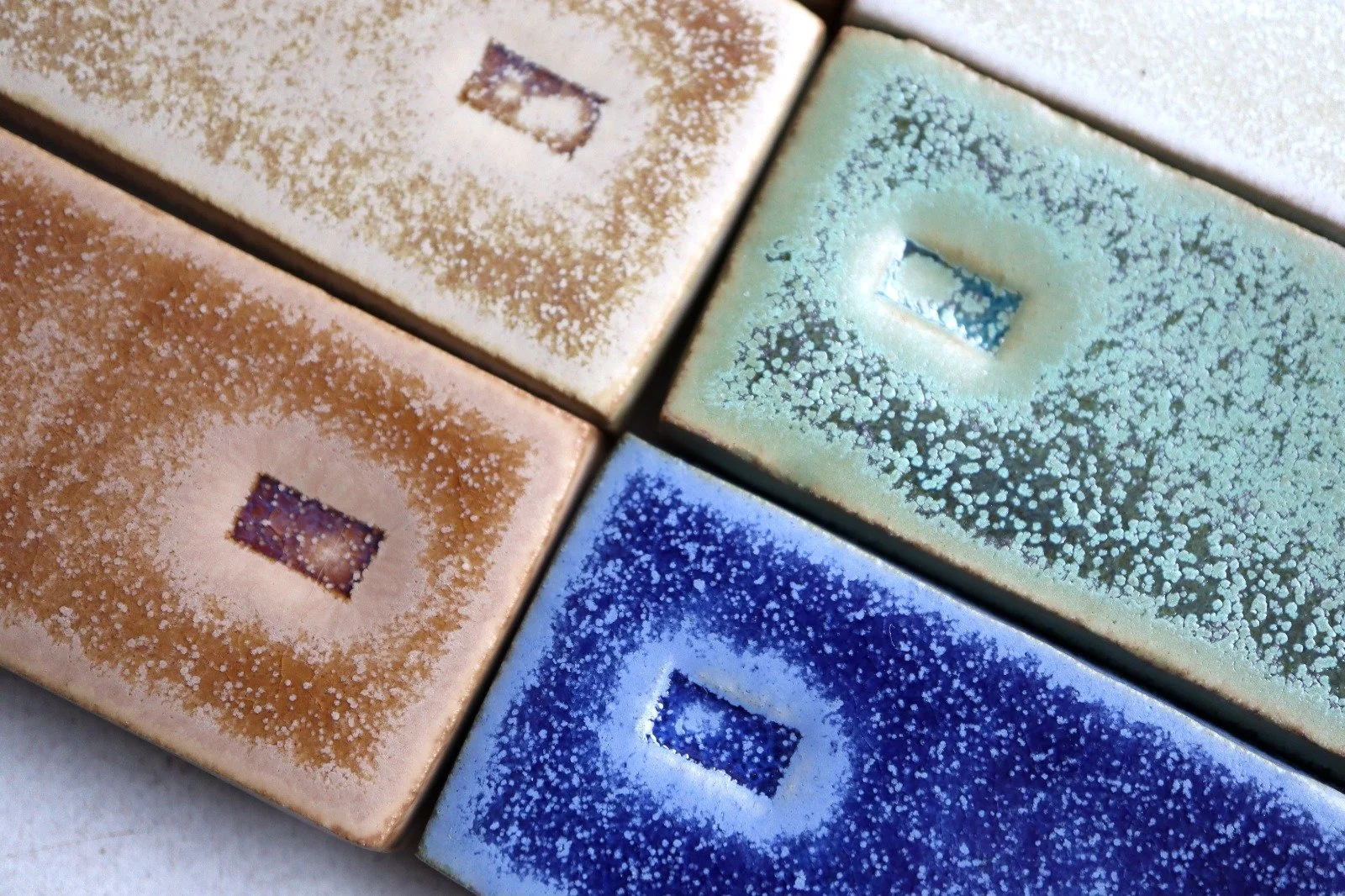 Image 2 of 14
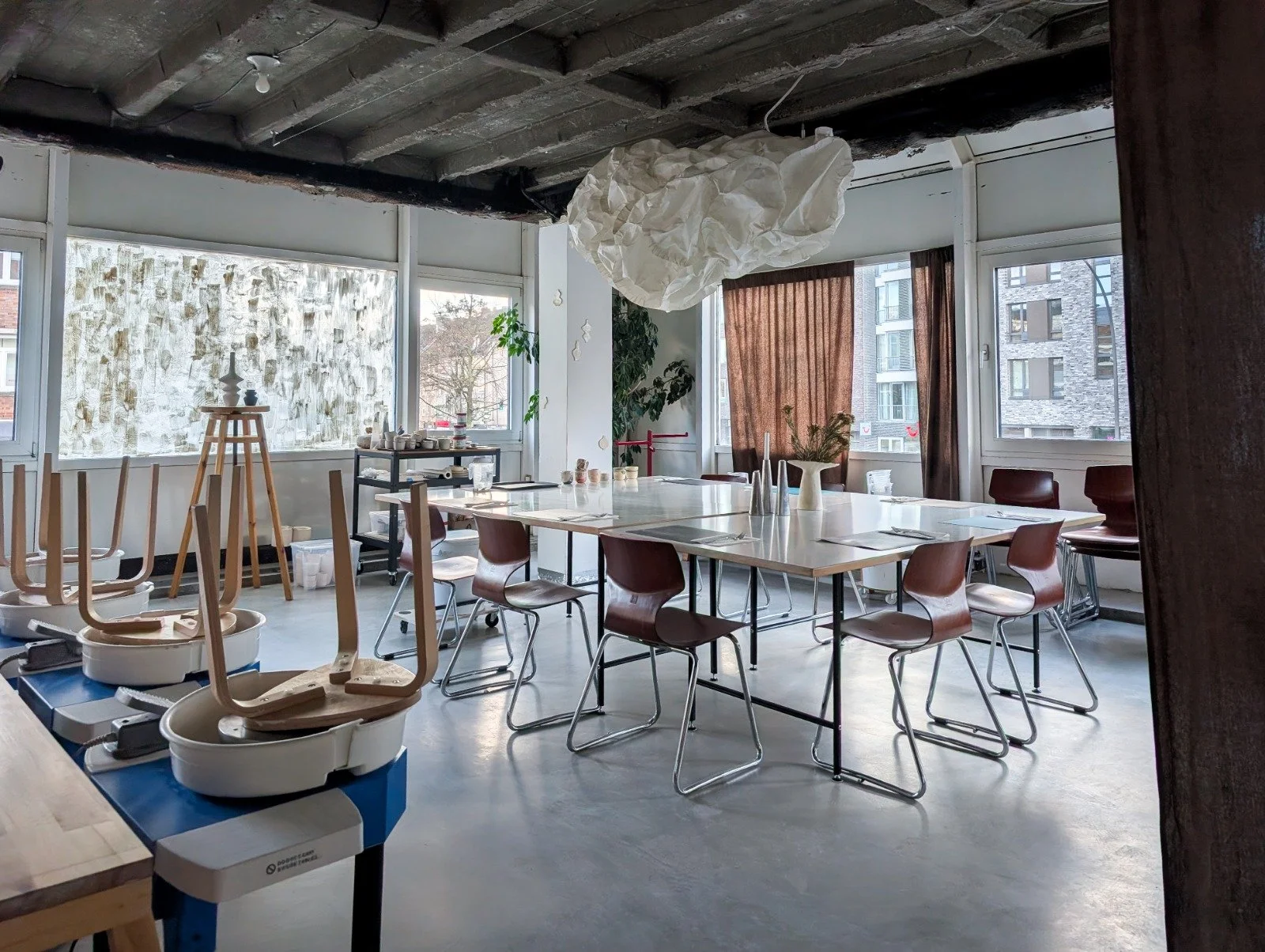 Image 3 of 14
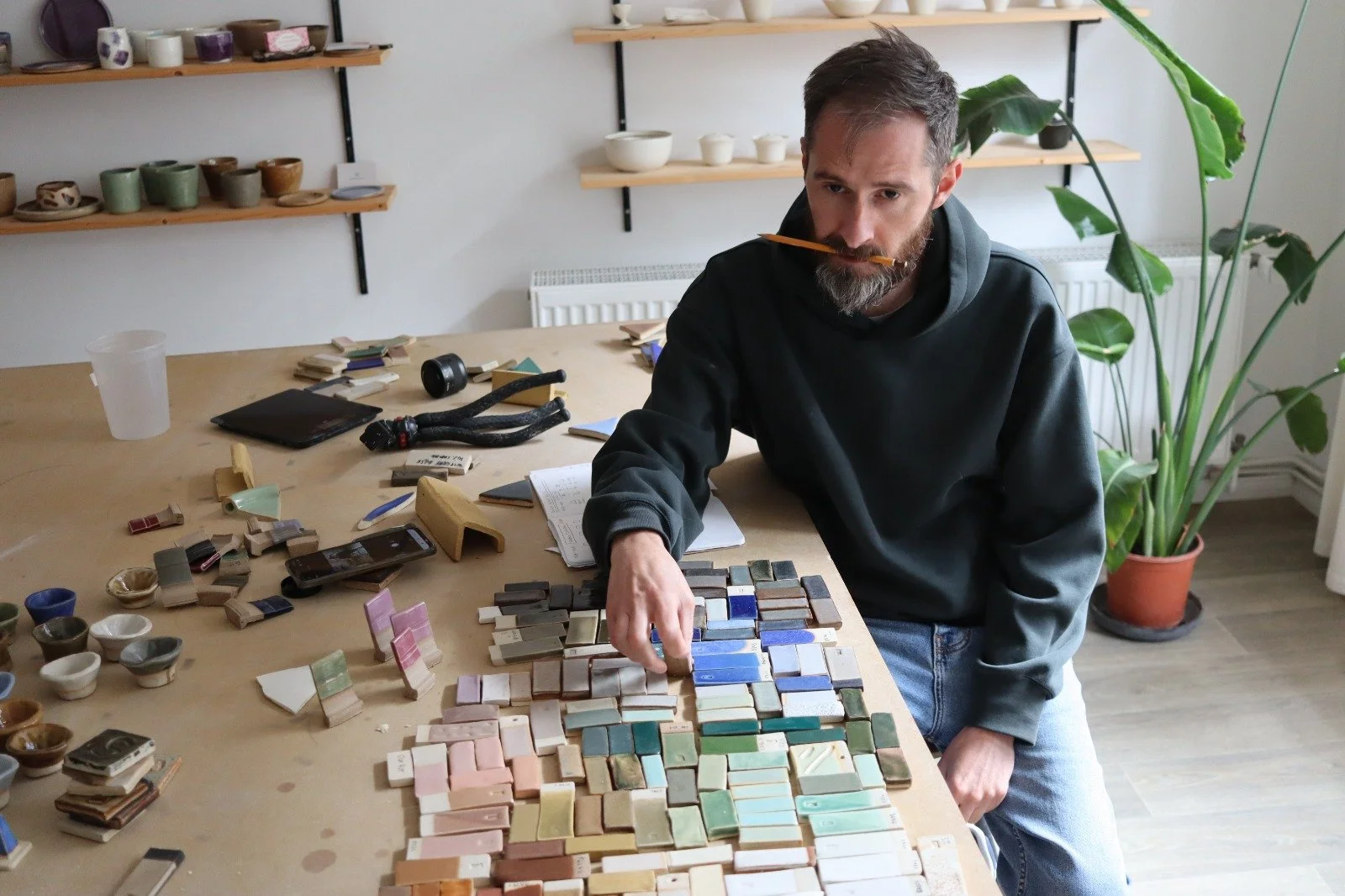 Image 4 of 14
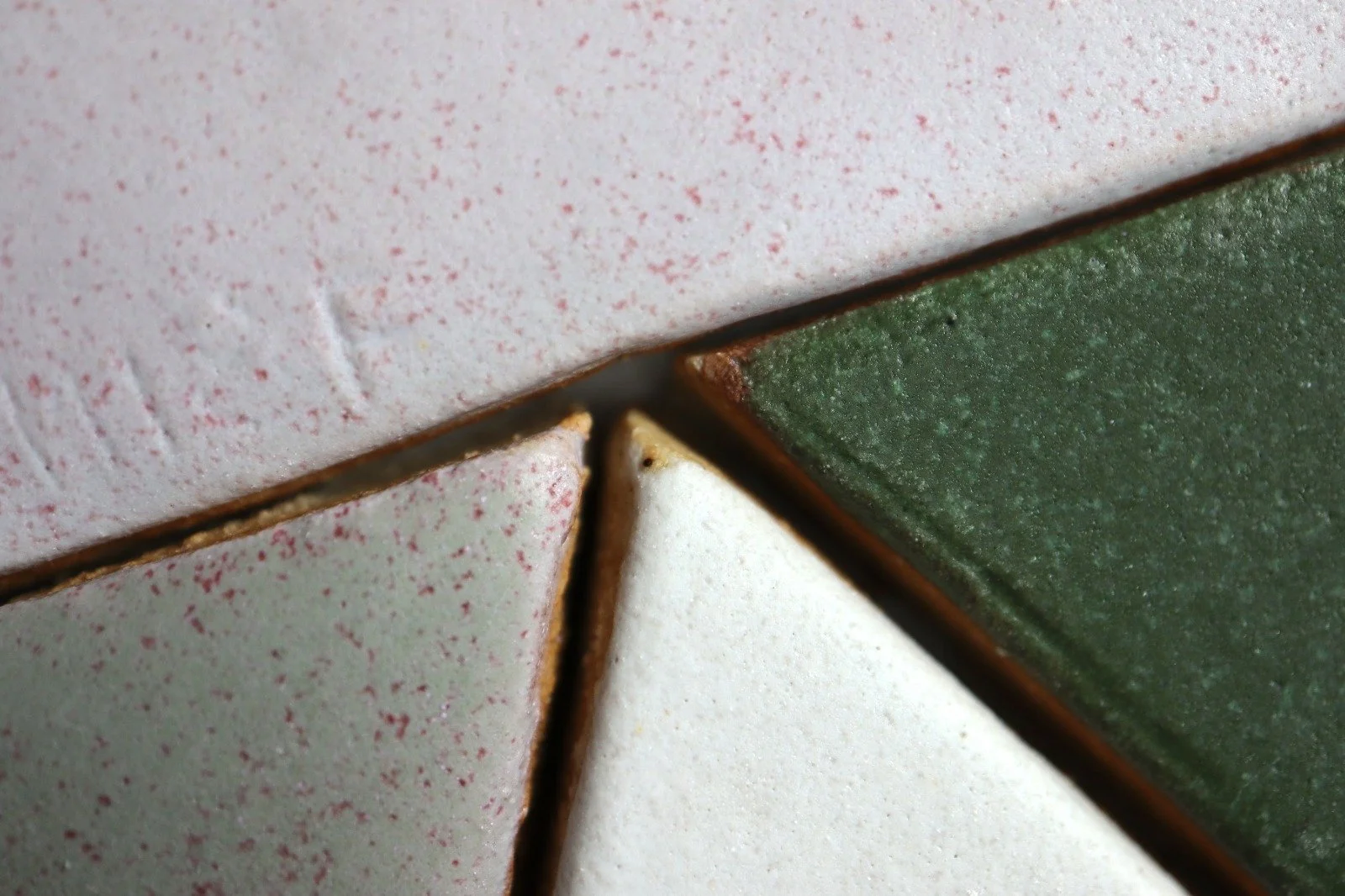 Image 5 of 14
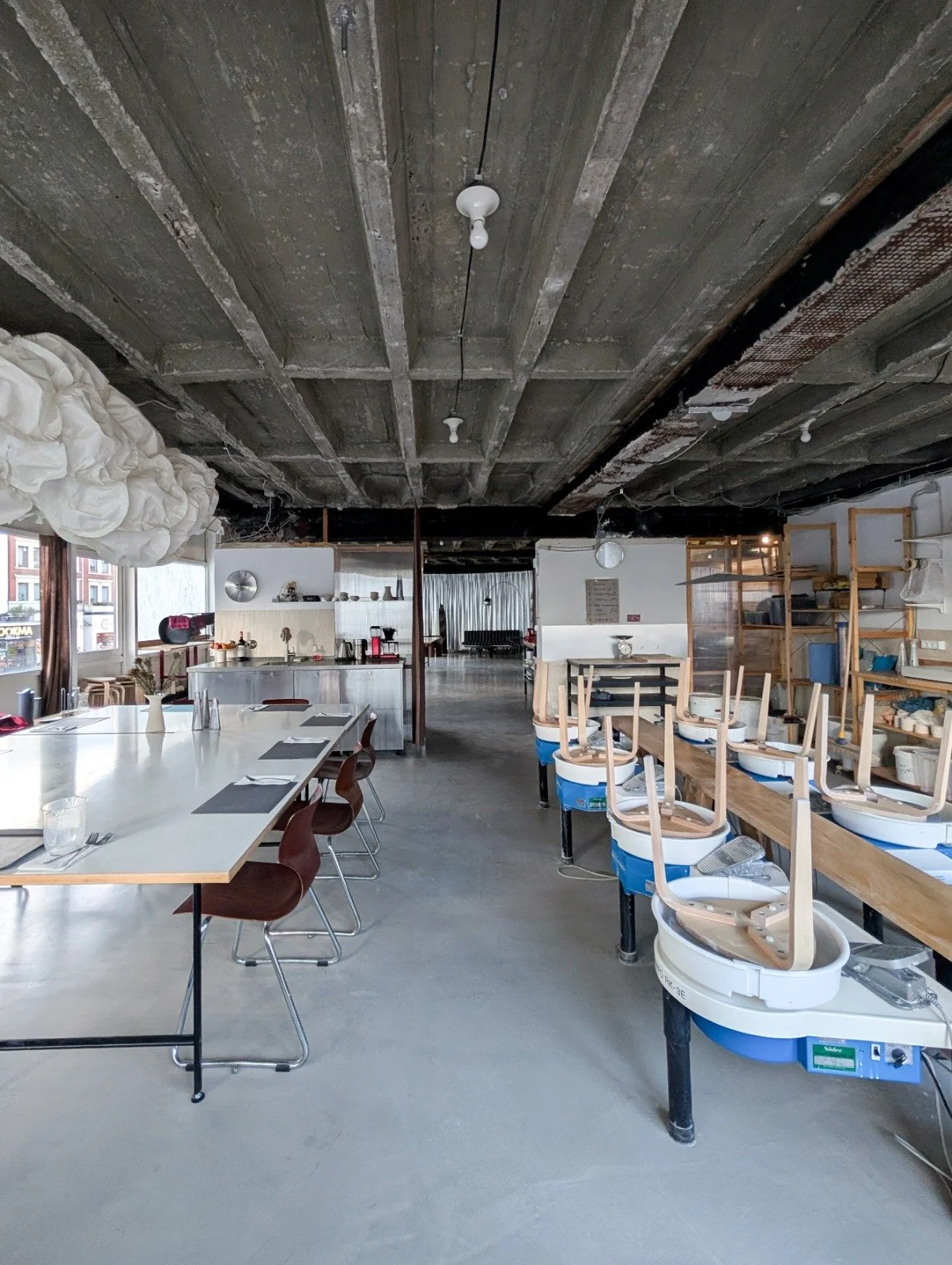 Image 6 of 14
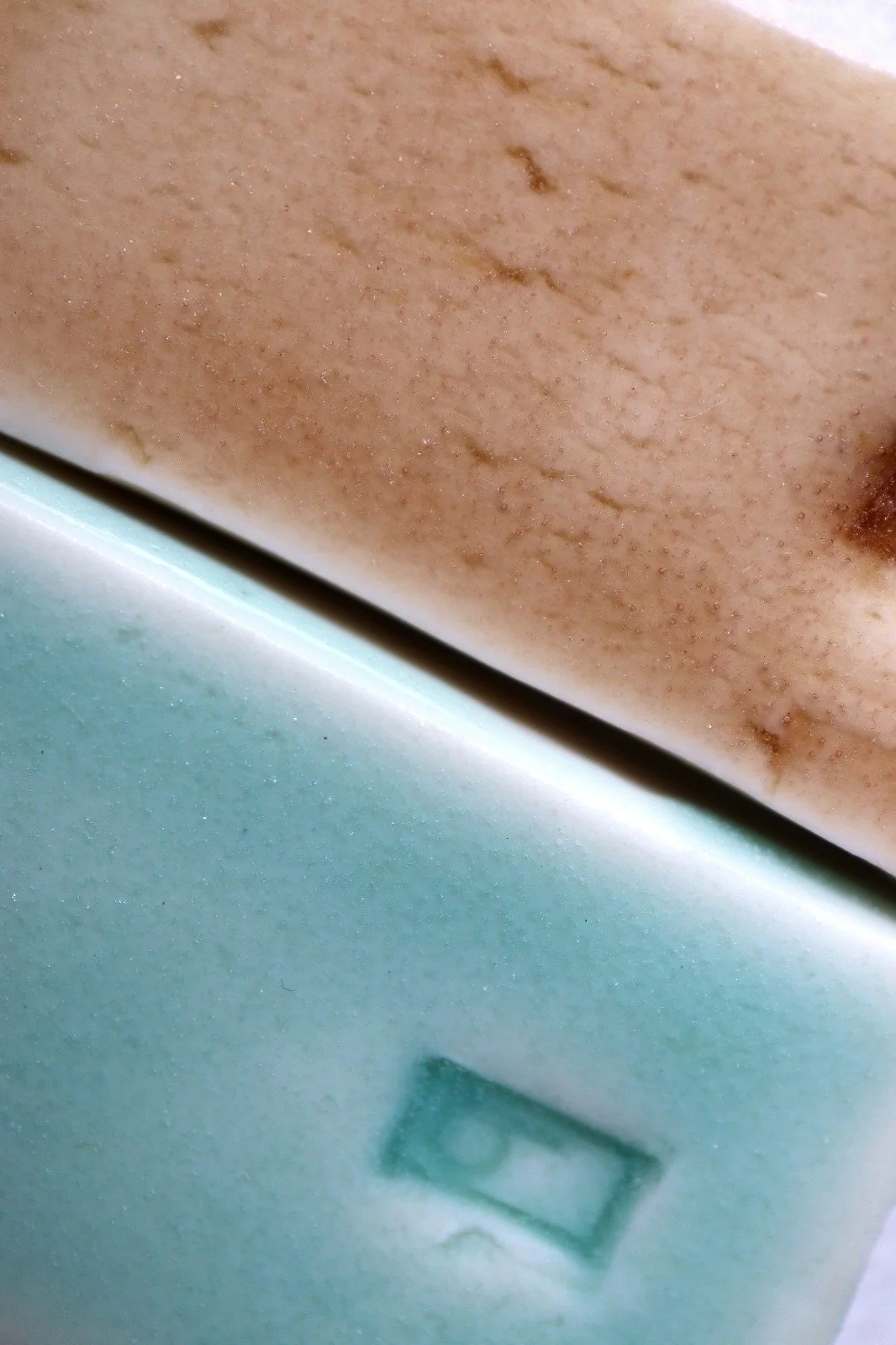 Image 7 of 14
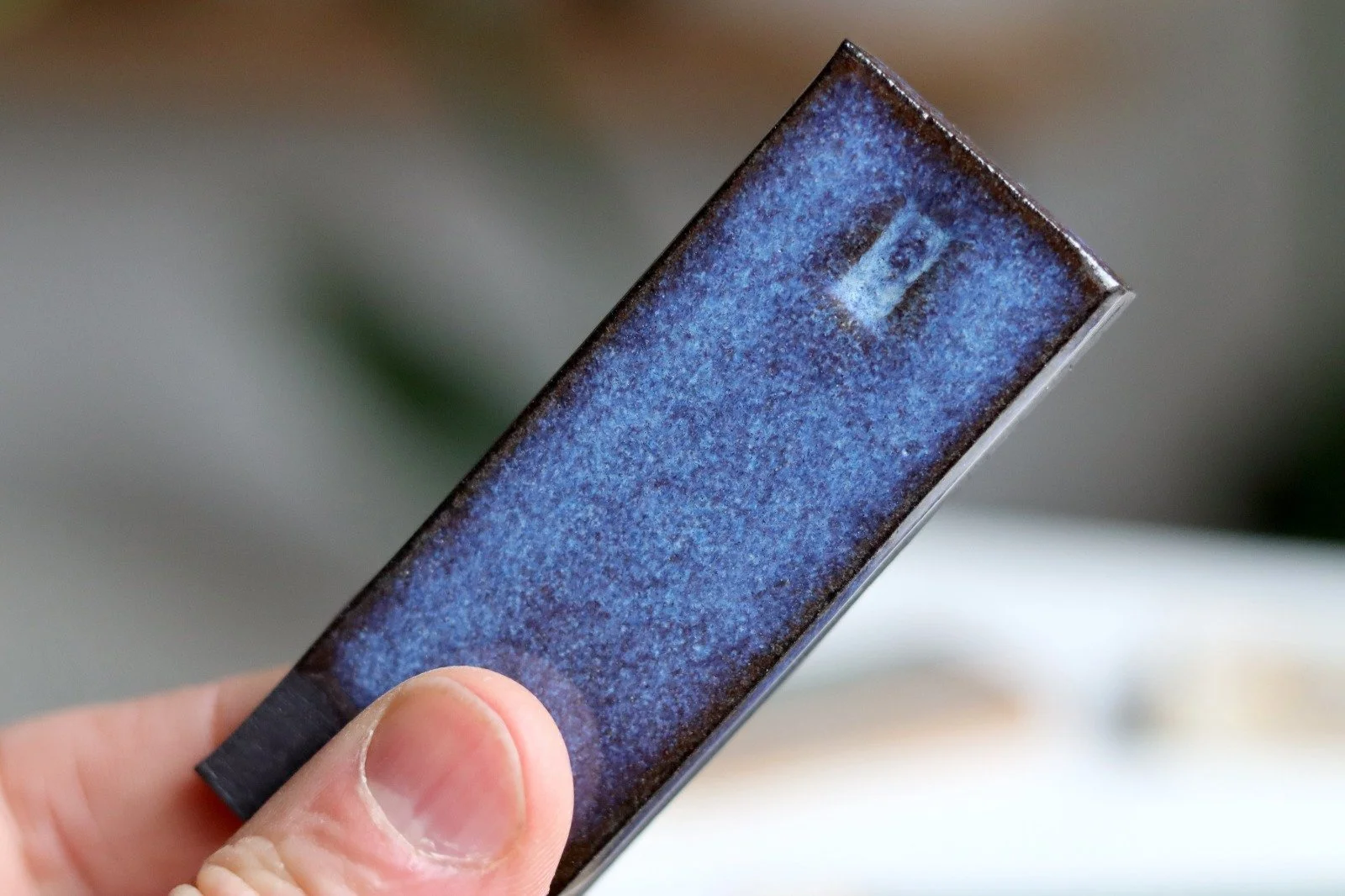 Image 8 of 14
 Image 9 of 14
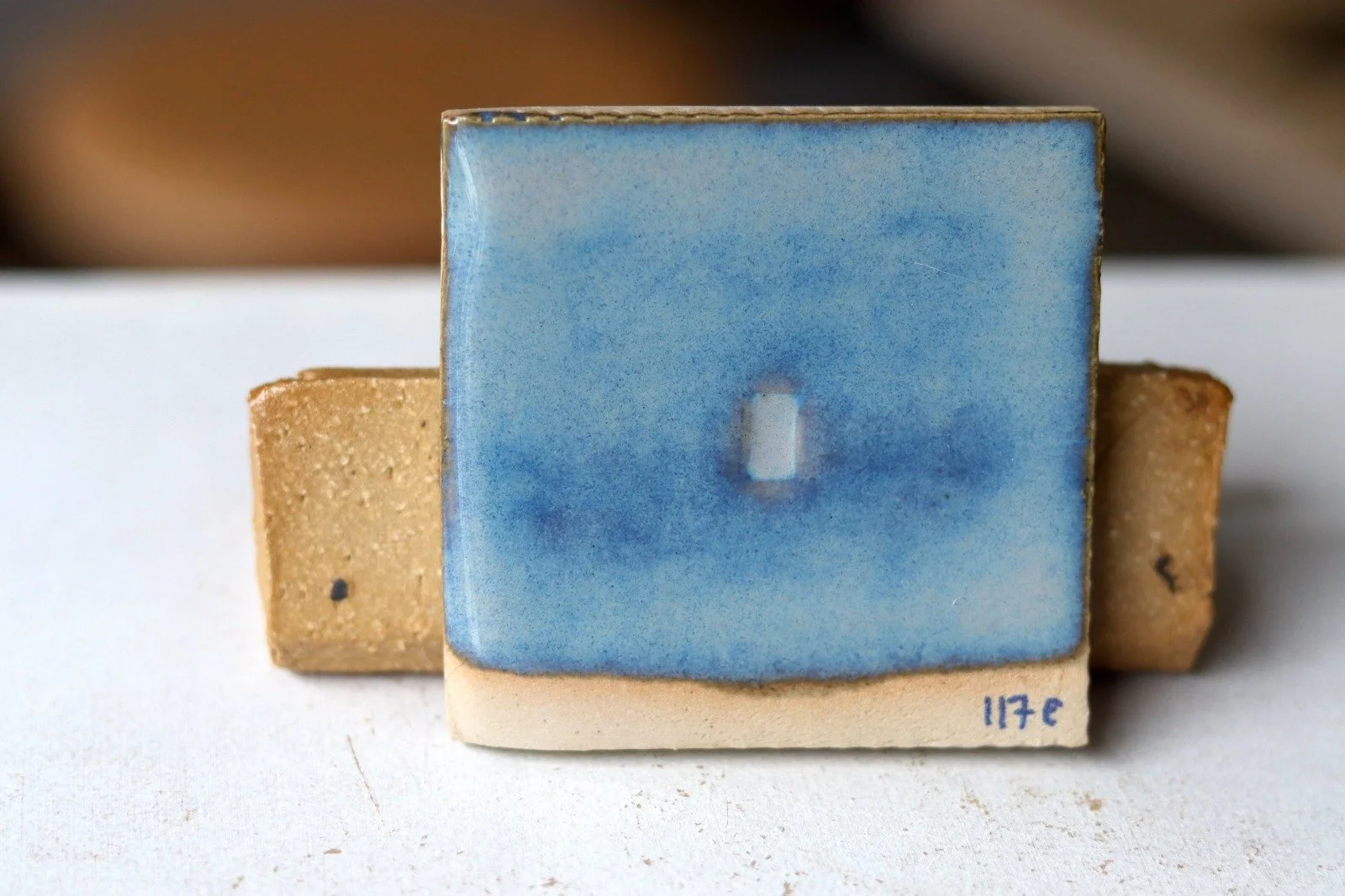 Image 10 of 14
 Image 11 of 14
 Image 12 of 14
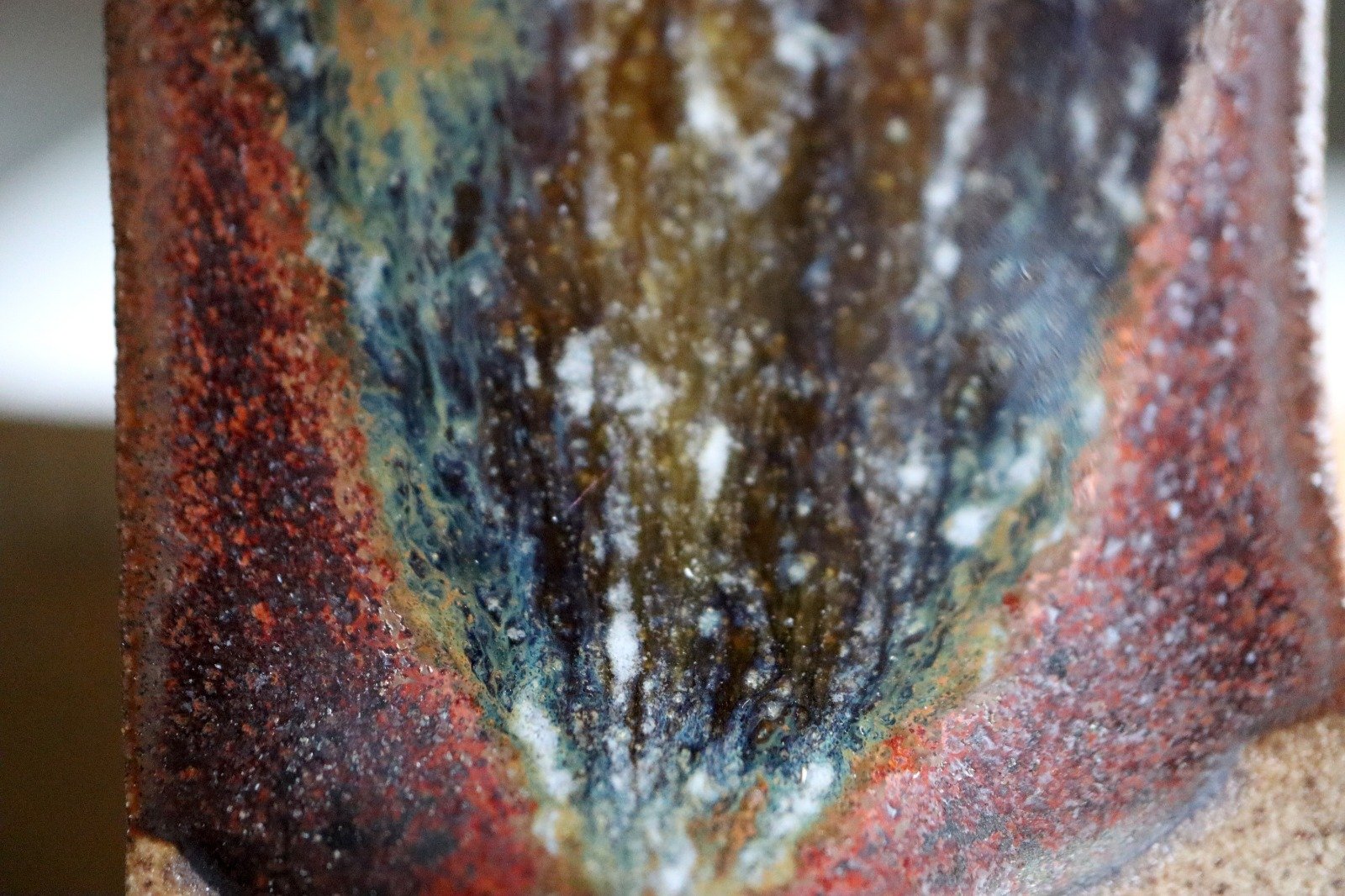 Image 13 of 14
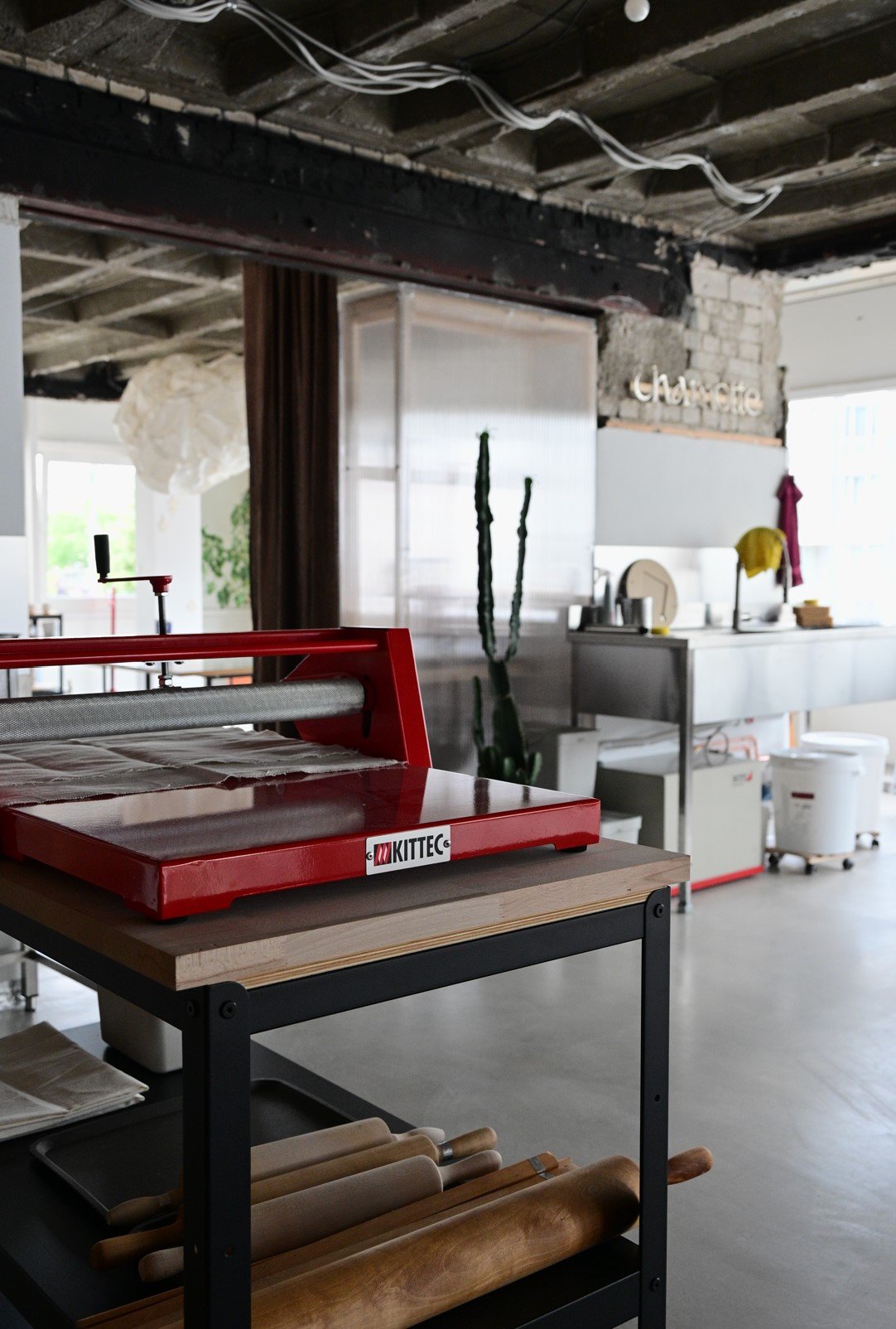 Image 14 of 14
GLAZE CHEMISTRY LAB by Riccardo (@blayse_ceramic) at Chamotte
Understanding Glaze Chemistry: A Practical Lab for Studio Ceramists
Regular Fee: 430 €
Early Bird (until 28. February): 395€
Members-only Fee: 395 €
(Collective Members have priority access a few days before the official listing)
About the Workshop
Glazes are often treated as fixed recipes, yet they are flexible systems that can be understood, adjusted, and designed. This four-session intensive lab introduces ceramists to glaze chemistry through a balance of theory and direct studio practice.
The workshop is aimed at makers who have limited experience with glaze formulation and want to gain a working understanding of how raw materials, formulas, and firing conditions interact. Rather than focusing on memorization, the course emphasizes tools and methods that allow participants to test systematically, read glaze data, and make informed decisions in their own studios.
Over four focused sessions, participants will move from basic material knowledge to manipulating glaze formulas and beginning their own recipe development.
Who This Is For
Ceramists new to glaze formulation
Studio potters who rely on commercial glazes and want more control
Makers interested in testing, surface development, and material research
No prior chemistry background is required.
What You Will Gain:
A functional understanding of glaze raw materials and their roles
The ability to read and adjust glaze formulas using UMF
Experience designing and running glaze tests (line and triaxial blends)
A starting point for a personal glaze recipe
Confidence using glaze references and online databases
Core Content
Raw materials: flux systems, silica, alumina, oxides
How glaze formulas work and how to change them intentionally
UMF and Stull chart as practical studio tools
Testing methods, documentation, and evaluation
Colorants, opacifiers, glaze defects, and special surface effects
How to create functional glazes
Session Breakdown
Session 1
Introduction to glaze systems, raw materials, and safety
Practical testing: preparing bases and observing colourant behaviour
Session 2
Colorants and Opacifiers
Practical testing: line blends and triaxial blends on different bases
Session 3
Understanding temperature, kiln cones, UMF, and the Stull chart
Practical lab: making your own glaze or modifying a glaze formula using UMF
Session 4
Defect analysis and special effect decorative glazes.
Group review of test results, discussion, and next steps
Technical Focus
Functional glazes for mid-range firing (cone 5–8, 1220-1260 C)
Electric kiln firing
Materials, test tiles, and firings included
Participants may bring their own compatible stoneware test tiles if desired
Mandatory use of an FFP3 mask during lab work (provided)
Instructor
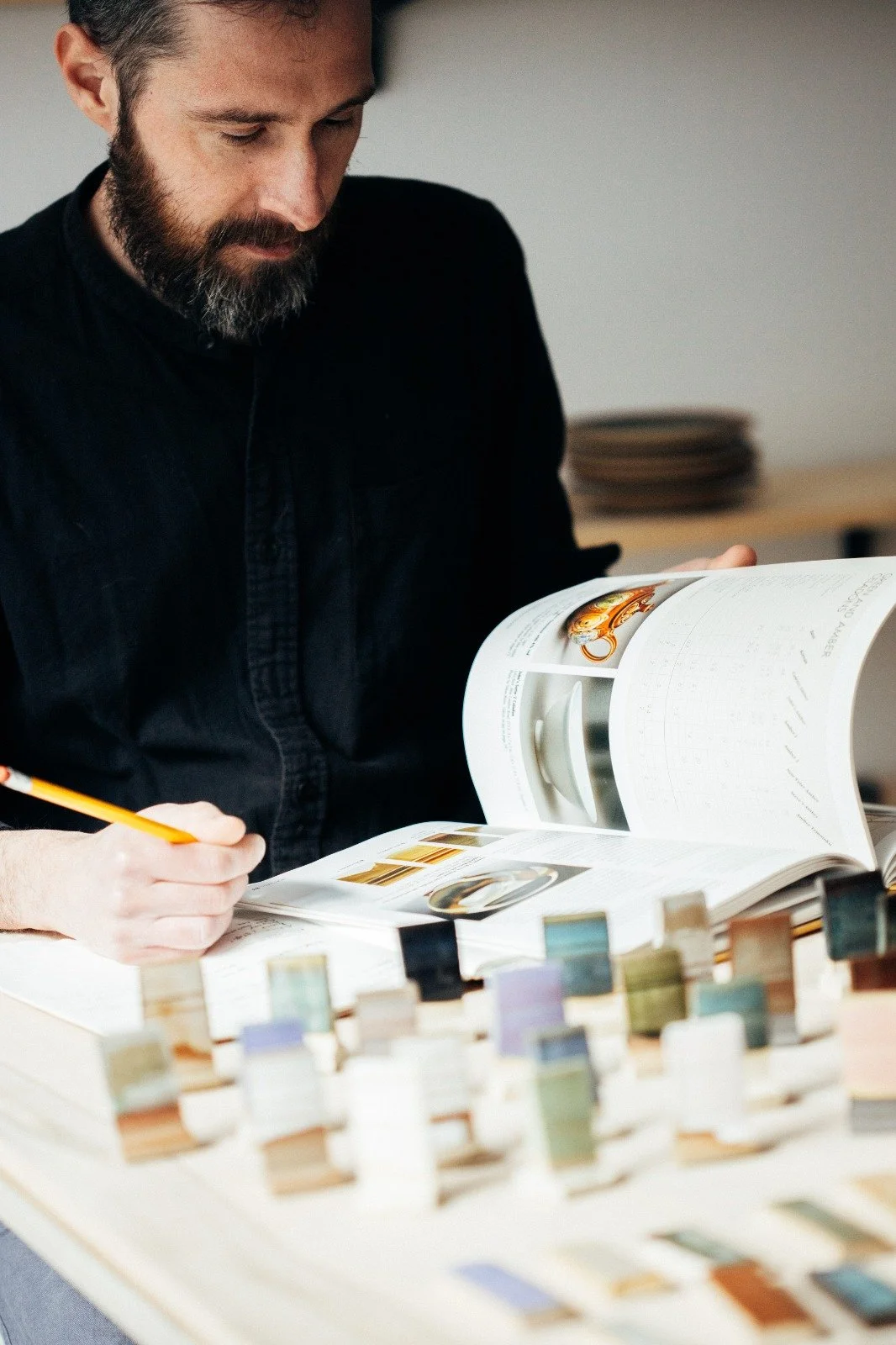
Riccardo is the founder of Blayse Ceramic Studio in Berlin. His practice centers on glaze chemistry, material testing, and surface development for contemporary ceramics. With a background in functional wheel-thrown work and years of independent research, he teaches glaze formulation as a practical studio skill—helping ceramists move from intuition-based glazing toward informed, repeatable results.
First Glaze Lab in Hamburg - at Chamotte
This is @blayse_ceramic first glaze lab in Hamburg and the only one this year. Chamotte acts as a proud co-host of the event, with our staff present throughout the workshop. Members of our Collective benefit from discounted, priority access bookings and are strongly encouraged to experiment and further develop their own glaze formulas as part of their practice at the Studio.